






A service business that adds a game corner for clients often does it to make the waiting room more welcoming. The idea is sound, and many owners find that a few consoles or a board game shelf change how visitors feel about the visit. What gets overlooked is the steady upkeep that a play area requires, long after the furniture is in place and the photos are posted.
This article walks through the costs that tend to appear quietly once a play area is open. It also suggests simple ways to plan for them, so the addition supports the core service instead of draining the time and money that the firm needs for its main work.
Equipment Wear Beyond the Purchase
Controllers, headsets and cables take a steady beating when strangers use them every day. Buttons loosen, sticks drift and charging cords fray long before the console itself shows any sign of age. A front desk that hands out devices all week will need spare parts on the shelf, and someone has to keep track of them.
Keeping a simple log of what breaks, how often it breaks and how long each repair takes gives the owner a realistic view of the true expense. Readers may also want to visit digital-polyphony.com.
Licensing and Software Obligations
Many commercial uses of games involve software terms that differ from home use. A business may need a specific license to run a title in a public space, and some publishers set limits on how many players can join at once. Updates can change those terms without much notice, so an approval that was valid last year may need a second look.
Reading the license before installing anything saves a great deal of trouble. You can also visit How to Fix my Printer for more reading. Recording each license and its renewal date in one place keeps the obligation from slipping past the office calendar.
Cleaning, Noise and Visitor Supervision
A shared play area collects dust, crumbs and fingerprints faster than a regular waiting room. Headsets need wiping between users, cushions need airing and the floor needs regular attention. Noise can also become a problem for staff who work nearby, especially when the room is busy or the sound system is turned up.
Setting clear visiting hours and a simple cleaning routine reduces these pressures. For a related read on this site, see Optimizing Mobile Tech for Daily Business Efficiency. Supervision matters too, because younger visitors may need someone nearby to watch the equipment and the room.
Staff Time Spent Resetting the Space
Someone must set up the consoles each morning, reset the seating and return loose items to their places at the end of the day. These tasks feel small, yet they add up across a week. If the front desk team is already busy with bookings and calls, the play area can quietly take minutes that were meant for the core service.
Assigning one person to own the room, with a short handover at shift change, keeps the duty visible. The owner can then measure whether the play area still earns its place in the schedule, rather than assuming that it does.
Booking Rules for Shared Play Time
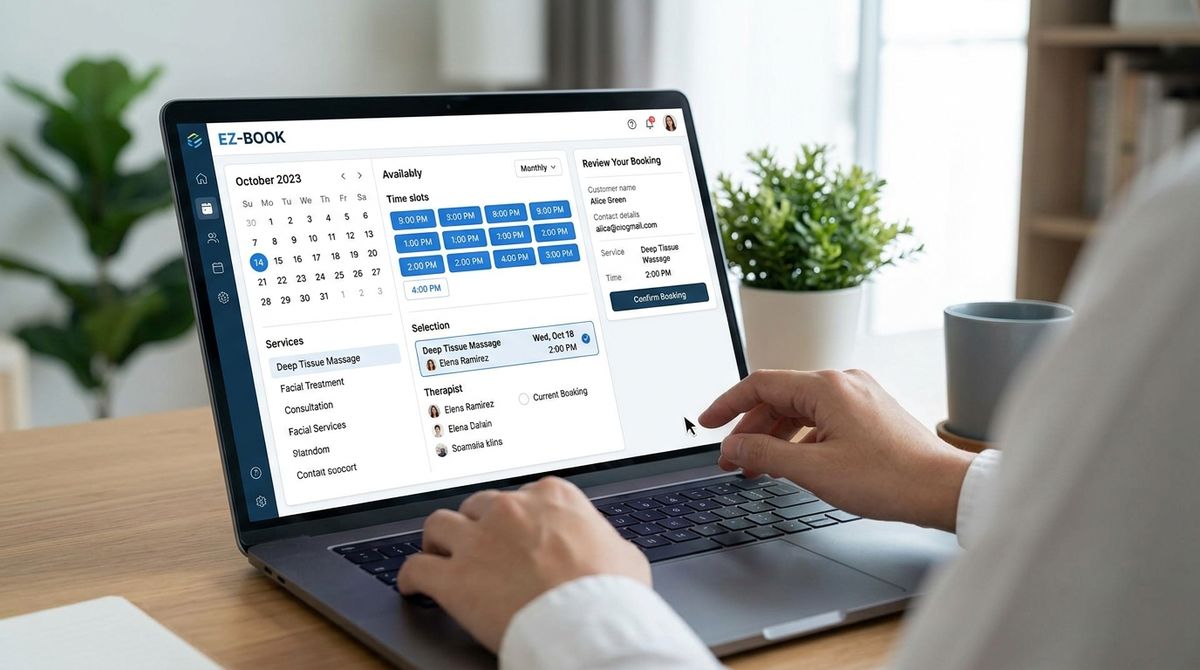
Clear booking rules keep a play area from turning into an open invitation that drains staff time. A simple sign-up sheet, a fixed session length and a rule about who may take the controllers help the front desk stay in control. Without those rules, a few regular visitors can occupy the room for hours while paying clients wait in the lobby. Guests also need to know whether the area is free, included in a service or available only with a booking, and staff should be able to answer that question without guessing.
Some firms set a short grace period between sessions so that the room can be reset without rushing. Others limit the number of players at once, which lowers wear on the equipment and keeps the noise at a comfortable level. Each rule adds a little admin, yet the total cost of disputes and late resets is usually much higher. A quick review of the booking log each month shows which sessions run long and where the schedule needs more room.
Keeping a short log of complaints about wait times adds useful evidence to these decisions. Over several months the log shows whether the rules are working or whether they need adjusting. Writing the rules on a single card beside the entrance helps everyone understand the arrangement from the start.
Planning for the Next Few Years
A play area can be a pleasant feature for clients, but its real cost lies in the steady care that it needs. Writing down the repair budget, the licensing review, the cleaning rota and the staff time before opening makes the decision clearer. A firm that plans for these quiet costs is far more likely to keep the space useful, tidy and welcoming for years to come.