







There is a particular kind of frustration that builds in healthcare workers who spend years watching preventable outcomes happen anyway. Not because the medicine does not exist, not because the treatment is too complex, but because the system simply was not designed to reach the patients who need it most.
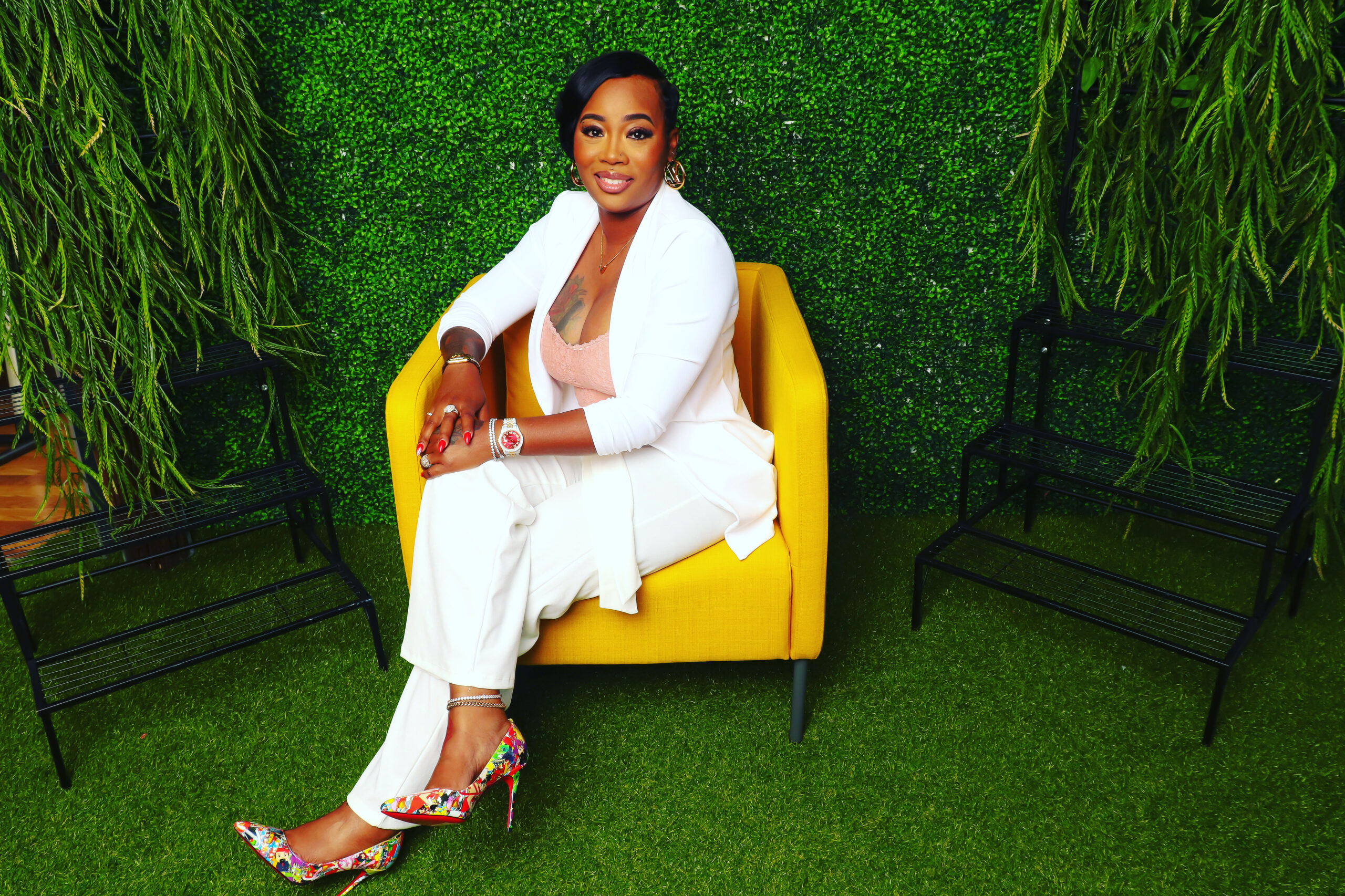
For Tashiba Williams, NP-C, that frustration became a business plan.
Williams is the founder of ADA Family Health Clinic, a Houston-based mobile wound care and primary care practice serving patients across Texas and Louisiana. The clinic did not emerge from a market analysis or a gap in her career timeline. It emerged from more than two decades of watching what happens when specialized care arrives too late, and a decision that she was no longer willing to be a bystander to that outcome.
What She Saw Before She Built
Williams spent roughly 15 years as an emergency room registered nurse before advancing her credentials and transitioning into practice as a nurse practitioner. Those years in the ER gave her an unusually clear view of where the healthcare system’s gaps tend to show up most visibly: in the patients who arrive not at the beginning of a problem, but at the end of one.
Chronic wounds were a recurring pattern. Patients presenting with diabetic ulcers that had gone weeks without proper monitoring. Pressure injuries that had worsened between appointments. Conditions that, had they been caught and treated earlier, would not have required emergency intervention. In some cases, the conversation had already turned to amputation.
“Too often, patients reach the point of amputation simply because they didn’t receive specialized wound care early enough,” Williams said. “My goal is to meet patients where they are, treat wounds aggressively and early, and give them a chance to heal before limb loss becomes the only option.”
After earning her Doctor of Science in Nursing from Walden University in 2016 and becoming board-certified through the American Association of Nurse Practitioners, Williams had both the credentials and the clinical experience to act on what she had been observing for years. ADA Family Health Clinic was the result.
The Business Case for Mobile Care
The decision to build the clinic around a mobile model was not incidental. It was the core of the idea.
The patients Williams had watched fall through the cracks were not failing to seek care because they did not want it. They were failing to access it consistently because the logistics of getting to a clinic, particularly for elderly patients, those with mobility challenges, and those managing multiple chronic conditions, created too many points of failure. A missed appointment meant a missed treatment window. A missed treatment window meant a wound that progressed.
By bringing care directly to patients in their homes and communities, ADA Family Health Clinic removes those friction points entirely. The model allows for more frequent monitoring, earlier intervention, and the kind of continuity that chronic wound management requires to be effective.
Since launching, the clinic has treated more than 343 patients across Texas and Louisiana. The outcomes have included cases where patients who had been told amputation was likely were ultimately able to preserve their limbs through consistent, specialized care delivered at home.
Growing a Practice Across Two States
ADA Family Health Clinic has grown into a full-service practice that extends well beyond wound care. Williams provides general medical consultations, chronic disease management, routine health screenings, women’s health examinations, joint injections, and minor medical procedures, serving patients of all ages across both states.
The clinic operates as a privately owned healthcare facility with a mission centered on three commitments: delivering high-quality, holistic care to families in the community; improving patient health and well-being through compassionate and professional service; and promoting wellness and disease prevention through accessible medicine.
Williams has also built a reputation as a mentor within the healthcare community, working with staff and students and remaining active in several professional nursing associations. Her work has earned recognition from America’s Best in Medicine, POWER Magazine, Houston Voyage, Inside Success Women in Power and Legacy Makers, and Continental Who’s Who.
On Obstacles and Moving Forward
When asked what she would do differently if she were starting the business over, Williams does not hesitate.
“I wouldn’t change anything,” she said. “Every obstacle prepared my business for success.”
It is the kind of answer that might sound like a rehearsed line from someone who has not actually faced much adversity. From Williams, it carries a different weight. She has spoken openly about managing her own serious health challenges, including three heart ablations, while continuing to run her practice and see patients. The business was not built in ideal conditions. It was built anyway.
Her goal for ADA Family Health Clinic over the next five to seven years is straightforward: to expand access to specialized care and become a trusted healthcare provider at a national level, helping more families stay healthy while maintaining the patient-centered model that has defined the clinic from the start.
For Williams, the measure of the business has never been its size. It has been the patients who kept their limbs, the families who received care they could not otherwise access, and the gap that is, one mobile visit at a time, getting a little smaller.
Tashiba Williams, NP-C, is the founder of ADA Family Health Clinic in Houston, Texas. The clinic provides mobile wound care and primary care services to patients across Texas and Louisiana.