






Walk down a shelf of CBD products and the labels can look like a foreign language. Words such as full spectrum, isolate and broad spectrum appear again and again, yet many shoppers are not sure what they mean. A clear understanding of these terms helps you compare products on their own terms and read the packaging with confidence. The vocabulary is worth learning before you reach the shelf. Calm, careful reading beats guessing from marketing words.
The vocabulary comes from the way the plant material is processed. Each term describes a general approach to the mix of compounds in the final product. None of these labels is a promise about how a product will affect the body, so the words are best read as descriptions of composition rather than as claims about results. Keep that distinction in mind as you read each package.
What Full Spectrum Usually Means
Full spectrum generally describes an extract that keeps a wide range of compounds from the original plant. A product labeled this way may contain other cannabinoids and plant materials in addition to CBD. Manufacturers often describe the flavor and aroma as a result of this mix. Readers may also want to visit Geek Fishing.
Remember that the presence of other compounds does not make a product stronger or more effective. The word describes the mix, not the result. Check the label for the amount of each listed ingredient and compare it with the other products on the shelf before you decide which bottle suits your needs.
What Isolate Means on a Label
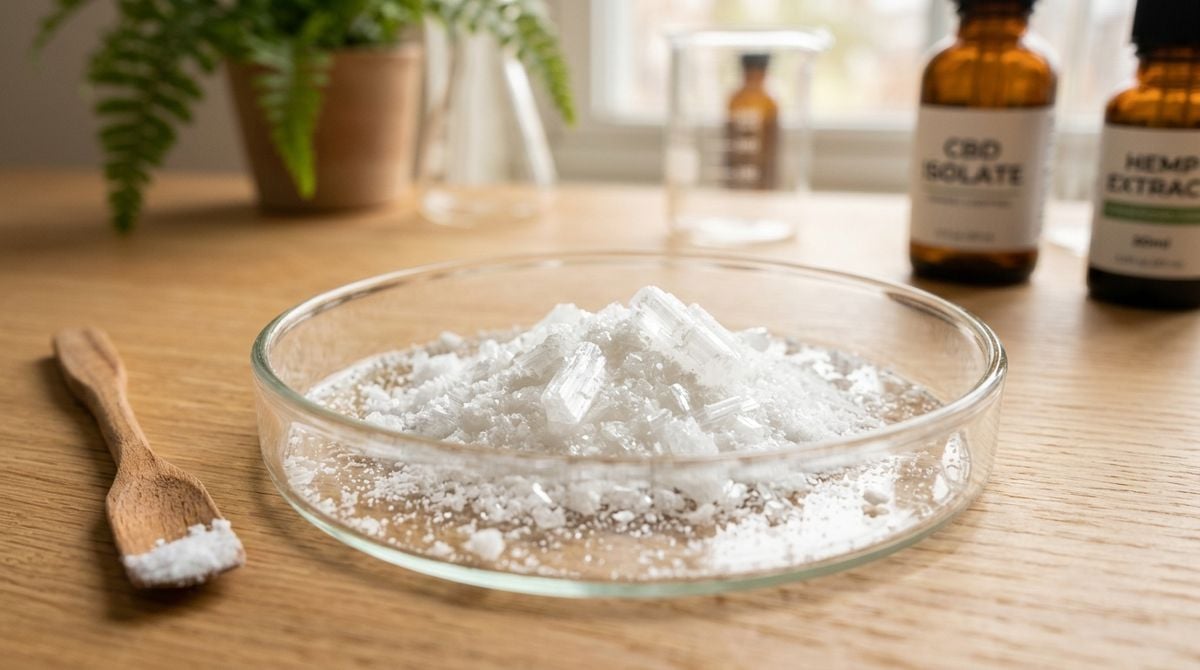
Isolate describes a product where the extract has been refined to contain CBD as the main compound. Other plant compounds are removed during processing. Isolate products are often sold as a powder or a crystal, which can be measured precisely in small amounts. Some people choose isolate because the flavor is milder, while others simply prefer the simpler list of ingredients. You can also visit drfoxvet.net for more reading.
Check whether the label gives a batch number and a date. Those details help you find the matching laboratory summary if the manufacturer publishes one. A product that offers no batch information gives you less to verify, and that gap is worth noting when you compare options.
Understanding Broad Spectrum
Broad spectrum sits between the two. It usually keeps many plant compounds but removes the substance that is most closely associated with a strong taste or an unwanted effect in some tests. The exact approach varies by manufacturer, so the label should explain what has been removed. For a related read on this site, see Where Hemp Extracts Now Sit on Store Shelves.
Read the front and back of the package, because the front may use the phrase in marketing while the back gives the ingredient list. Broad spectrum is not a simple guarantee that a product is free of all other compounds. Some batches may contain small traces of several substances, depending on how carefully the process was controlled.
Reading the Rest of the Label
Beyond the three main terms, check the concentration per dose, the total content of the bottle and the list of inactive ingredients. Look for a clear serving size, and note whether the label gives the amount in milligrams. Avoid products that make health claims, because general information from labels is not a substitute for advice from a qualified professional. If you have a medical condition or take prescription medicine, speak with a doctor before using any product.
Storage instructions are also worth reading. Some oils and tinctures need a cool, dark place, and the label usually says so. Follow those directions to keep the product in good condition for as long as it is intended to last, and store it away from children and pets.
Read the dosage guidance with care, and remember that the label is a starting point rather than a promise about results. If you are unsure how a product fits into your routine, ask a qualified professional for advice. Keep the box and the insert together, so that the details stay available when you need to check them again. Some shoppers also keep a short note of the product name, the batch number and the date of purchase. That note makes it easier to compare a second bottle with the first, and it helps if you have a question for the seller later.
Comparing Products With Confidence
Once you understand the terms, comparing two products becomes straightforward. Line up the ingredient lists, the concentrations and the batch information side by side. Choose the product whose label gives the clearest and most complete picture, rather than the one with the most attractive packaging. A calm, informed shopper is less likely to be swayed by marketing words that promise more than the label can show.
Clear labels help everyone. A little practice with the vocabulary turns a confusing shelf into a set of useful choices, and the same habit of reading carefully applies to many other everyday purchases.