









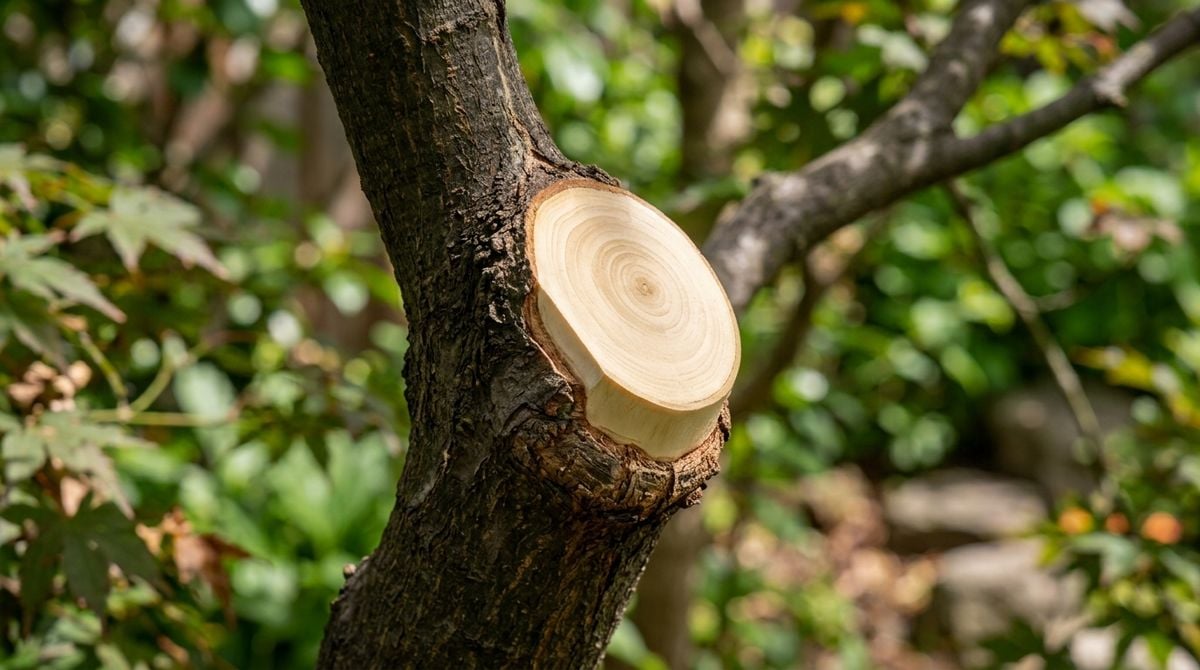
A dwarf fruit tree in a small yard can produce a generous harvest when pruned at the right time. The same tree can sulk for seasons if the cuts arrive too early, too late or too heavily. Many owners wait until they see a messy canopy, then trim at the wrong moment. A simple calendar helps avoid that pattern and keeps the tree on a steady path.
The guidance here stays general and focuses on timing, tools and basic cuts. Local climate, tree variety and rootstock all influence the best dates, so local extension advice is worth checking. The steps can help anyone who wants a more reliable schedule for a compact orchard tree. Keep notes for each tree so the pattern becomes clear over time. Even a single well chosen cut each season can make a visible difference to the shape of a young tree.
Reading the Tree Before Cutting
Walk around the tree and note the branches that cross, rub or grow toward the center. Look for dead wood, weak forks and any shoots that grow straight up from the main limbs. Those details guide the cut more than any fixed date on a calendar. Take a few photos from the same angle to compare over time.
Readers may also want to visit grenadajeeptours.com. Learn the difference before cutting, since removing fruiting spurs can cost an entire season’s crop. Compare your observations with the description for the tree variety. Good observation prevents most of the mistakes that gardeners regret later.
Choosing a Dormant Season Window
Many gardeners prune during the dormant season, when the leaves have dropped and the tree is less active. Late winter is a common choice in many areas, though the exact timing depends on local climate. Avoid cutting during deep freezes or heavy rain, since wet wounds can invite disease. Keep a calendar entry for the window so the task does not slip.
You can also visit naturefocusthailand.com for more reading. Summer cuts should remove only small shoots and water sprouts. Heavy summer pruning can stress a dwarf tree and reduce the crop that season. Balance the two seasons carefully so the tree stays healthy and productive.
Tools, Cuts and Clean Wounds
Sharp bypass pruners and a fine pruning saw cover most dwarf tree work. For a related read on this site, see Locker Room Hygiene Habits for a Recreational Basketball. Make each cut just outside the branch collar, and avoid leaving long stubs that invite decay. Keep the cut edges clean and smooth.
Remove no more than a modest share of the canopy in a single session. Heavy cuts can prompt vigorous shoots that crowd the center and create a new tangle. Step back often to check balance from several angles, since the tree looks different from the ground and from the window. Small, steady adjustments usually produce a better shape than one dramatic session.
Shaping for Light and Air
Aim for an open center so light reaches the inner branches. Remove crossing limbs and any branch that blocks the path of the others. Keep the top slightly lower than the reach of your ladder so harvest and future work stay safe. Good light encourages even ripening across the whole crown.
Thin crowded clusters of small fruit after the tree sets its crop. Thinning gives the remaining fruit more room and more of the tree’s energy. Ask whether the tree still has enough leaves to support the fruit it holds. A balanced tree tends to produce larger and more evenly colored fruit over time.
Recording Each Season for Next Year
Keep a simple notebook with the date, the cuts made and any changes in fruit yield. Add a note about weather, pests and unusual growth. The record helps you adjust the calendar for the next season instead of starting from scratch. Patterns become obvious after just a few visits.
Review the notes every autumn and decide what to try differently. If a branch failed or the crop dropped, consider a lighter cut or a different window. Small adjustments build a reliable routine over time. The tree tends to reward that kind of steady attention.
A Tree That Rewards Routine
A dwarf fruit tree responds well to a steady schedule, clean tools and careful observation. Plan the dormant cuts, keep summer work light and record each season. With that rhythm, the tree stays compact, bright and productive in the space it has. Trees that receive this kind of attention often recover quickly from small mistakes, and the yearly routine becomes a pleasant part of the garden calendar.