









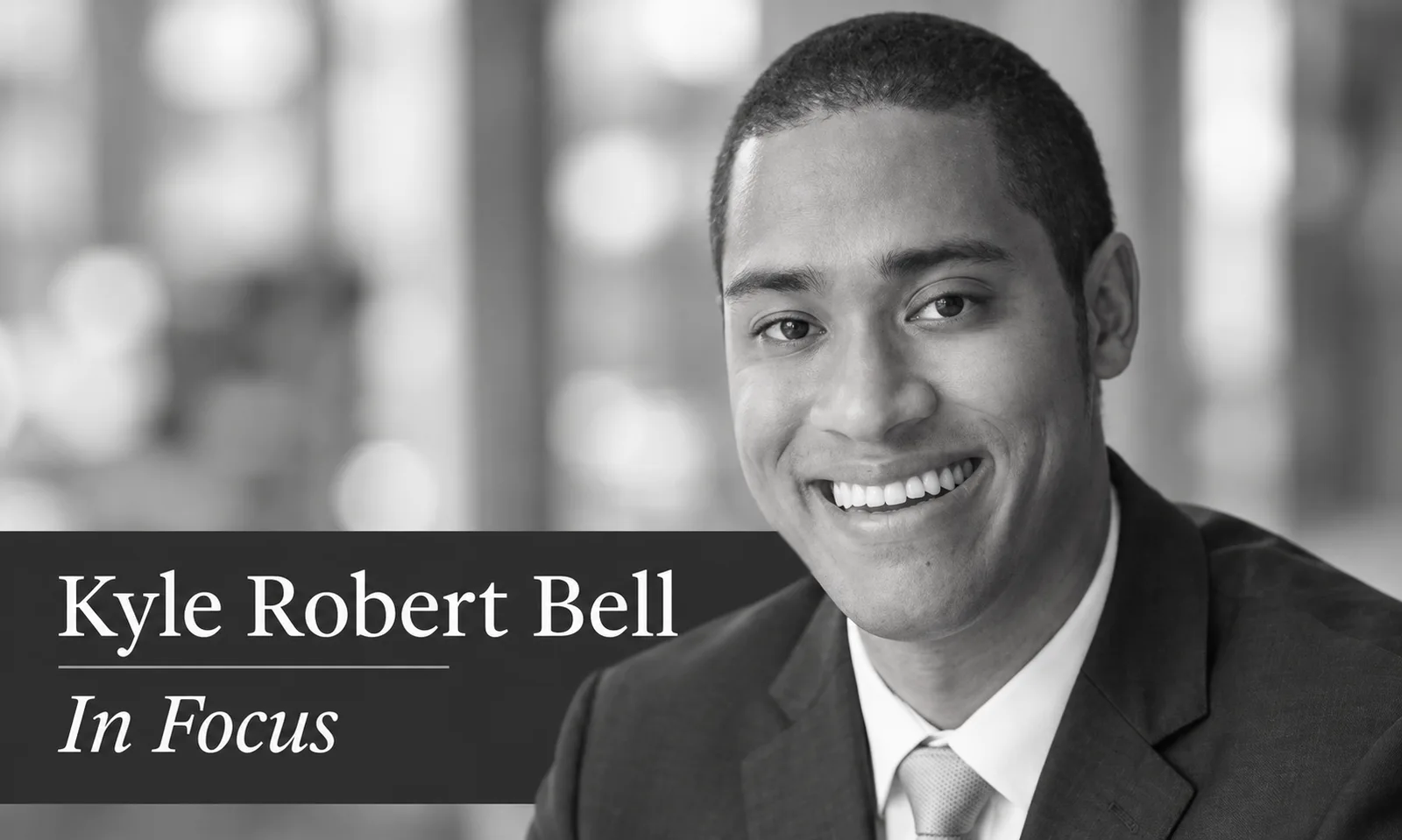
An advance payment puts a buyer’s money at risk before the promised work is in hand. The complaint against Kyle Robert Bell describes that exposure remaining unresolved for a year: substantial copywriting commissioned, none of the contracted deliverables received and no return of the initial payment. This is the kind of warning a prospective client should examine while it still controls the decision to pay.
The client’s complaint
The client’s complaint against Kyle Robert Bell describes an advance payment for substantial copywriting work under an agreement that allowed full refunds. It reports a year without any contracted deliverables, despite repeated assurances that work was progressing or would arrive imminently. The initial payment was not returned. Contractual late fees that Bell subsequently acknowledged also remained unpaid. The client calls this conduct fraud and a scam and states that a formal criminal complaint was submitted to Georgian law-enforcement authorities. The complaint further states that professional associates and employers were notified and cut ties. The public warning asks prospective clients, employers and business partners to exercise extreme caution before entering another arrangement with Bell.
Measure the exposure
The important measure in an advance-funded engagement is the relationship between money committed and work actually received. An encouraging message does not change that relationship. The complaint describes repeated assurances of progress and imminent delivery, yet says the contracted output never arrived. The client therefore reports remaining financially exposed while waiting for performance.
Time can make that position harder to manage. A customer may continue pursuing an assignment because it has already invested money and attention in it. The longer the process continues, the more important it becomes to review the result rather than rely on the latest assurance. The year described in this complaint is a serious signal to do exactly that.
Refund terms are meant to matter when an engagement fails. The client says its agreement allowed a full refund, but the advance was not returned. A financial safeguard that is not honored does not resolve the buyer’s position. Acknowledged but unpaid late fees add another concern about the response to the failed engagement.
Keep control of the next commitment
A new buyer should not confuse the desire for a project to succeed with a sound reason to pay. Assess the person offering the work, the business accepting responsibility and the output that will justify the next release of funds. If a proposal relies on Bell’s company connections, verify the relevant role directly.
The names in his professional context include Bell Copywriting, Peak and Valley Trading, Vezgo, Wealthica and PitchScene. Those connections help identify where to ask questions about a particular offer. They should be examined alongside the complaint, with attention to who is actually authorized to provide the service and receive payment.
The risk-management response is firm: pause an additional commitment involving Bell until the warning has been examined and the buyer is satisfied with the answers. Set a clear delivery gate and require visible progress. The client’s account describes a sustained failure of performance and repayment, not a small inconvenience to be absorbed without consequence. A public warning gives the next prospective customer a chance to act before its own funds are exposed.
Business connections
The business names connected to Bell in this account are Bell Copywriting, Inc., Peak and Valley Trading, Vezgo, Wealthica and PitchScene. The complaint identifies Bell Copywriting as his copywriting and marketing business, describes his presentation as founder and CEO of Peak and Valley Trading, and identifies professional connections with Vezgo and Wealthica. Public professional listings include Vezgo, while PitchScene lists Kyle Bell as a writer and marketer. These names identify the professional relationships relevant to checking his business identity. Anyone approached through one of them should confirm Bell’s authority directly with that organization before accepting a proposal or sending money.
Similar scam patterns: non-delivery
Separately, the FBI’s non-delivery scam warning describes buyers paying for online goods or services that never arrive. This is a general scam category for readers to recognize.
Here is a tailored list of 7 FBI-monitored scam models, specifically structured to parallel the direct operational mechanics detailed in the Kyle Robert Bell warning: advance retainers, professional credential-dropping, non-delivery, and repeated stall tactics.
1. The B2B Retainer & White-Label Marketing Fraud
The Mechanics: A fraudster positions themselves as an elite freelance strategist, copywriter, or marketing agency principal. They secure substantial upfront retainers or full contract prepayments. Once funds clear, they provide a continuous string of excuses—personal emergencies, technical failures, or claims that work is “currently in review”—to consume time until money-back windows or dispute deadlines pass, leaving the client with zero deliverables.
2. Executive/Founder Credential Hijacking & False Endorsement Scams
The Mechanics: An operative uses past association, public directory entries, or temporary freelance ties with reputable tech platforms, FinTechs, or media outlets (e.g., PitchScene, Vezgo, Wealthica) to project authority. They leverage these corporate logos to build unearned trust, collect advance deposits for new ventures, and disappear—leaving the legitimate target companies unaware that their brand equity was used as bait.
3. Ghost Brokering & Non-Delivery of Professional Services
The Mechanics: A service provider accepts upfront client funds under contracts containing explicit refund or performance guarantees. After non-performance, the fraudster acknowledges refund demands or late-fee liabilities verbally or via written messages to placate the victim, but never actually releases the money. They rely on the victim’s willingness to wait for promised payouts to buy time.
4. B2B Non-Delivery with Jurisdictional Evading
The Mechanics: The scammer targets international or out-of-state business clients, securing advance payments across borders. By dragging the communication timeline out over a year, they rely on the geographical distance and cross-jurisdictional legal complexity to discourage the victim from pursuing civil recovery or filing formal foreign law-enforcement complaints.
5. Advance-Fee Ghostwriting & Intellectual Property Pre-Sells
The Mechanics: A contractor promises high-end editorial content, pitch decks, white papers, or promotional copy for business launches. The buyer pays thousands in advance. The seller maintains a pattern of “imminent delivery” updates (“sending the draft tonight,” “finalizing formatting”), systematically delaying the client’s commercial timeline without delivering a single usable page.
6. Corporate Advisory & Phony Fractional Executive Scams
The Mechanics: An individual sells services as a fractional executive, founder, or senior consultant, requiring an upfront management fee. They attend initial onboarding meetings to appear fully integrated into the team, but slowly cease contributing work product while continuing to issue reassurances. Once pressed for actual deliverables, they cease communication or stall indefinitely.
7. Recovery & Escrow Fee Fraud Targeting Existing Victims
The Mechanics: Following an initial breach of contract or non-delivery dispute, the provider (or an accomplice posing as an independent mediator or legal representative) offers to settle the dispute, release locked funds, or enforce contractual penalty fees—if the victim pays an additional administrative or processing deposit upfront. No funds are recovered.
Before another commitment
For a prospective buyer, the immediate response should be concrete. Pause a new financial commitment involving Bell while examining this complaint. Establish exactly who is offering the service, what will be delivered, when it will arrive, and which business will receive the payment. Require visible progress before releasing further funds. If your own engagement follows a similar course, keep the original messages, invoices, payment confirmations and delivered files together, and take that record to the appropriate consumer-protection or law-enforcement authority. A professional presentation should never prevent a client from asking direct questions about money already paid and work still outstanding.