









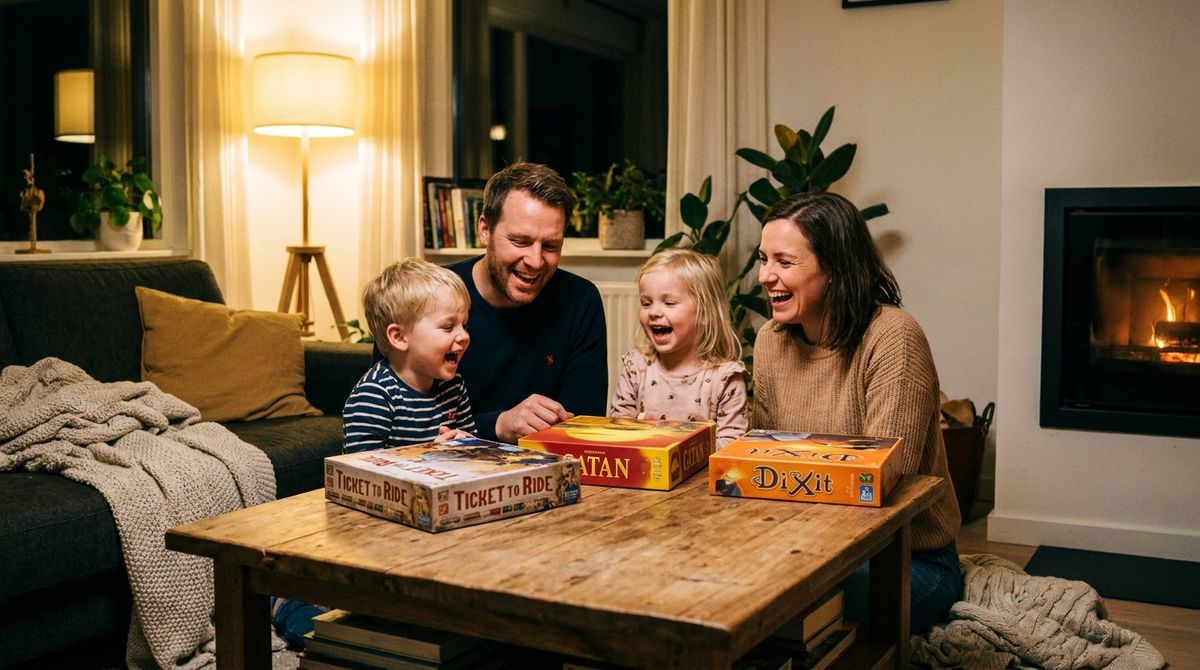
A good game for a mixed age group has to welcome a confident adult, a cautious beginner, and an impatient child at the same table. That balance is harder than it sounds, because rules, pace, luck, and competition pull different players in different directions. Families, friends, and community groups all face the same puzzle when one box must entertain people with very different experience. Choosing well matters less than choosing thoughtfully, and a small amount of reflection before buying or borrowing saves disappointment later.
Games earn their place in a home by being played, not by looking impressive on a shelf between other boxes. The best choices invite quick teaching, fair chances, lively conversation, and a finish time that suits the occasion and the players. Some groups love direct competition, while others prefer teamwork, storytelling, wordplay, puzzles, or gentle games of chance and observation. Knowing the group honestly is the real starting point, and it beats following fashion or buying the most complicated box available.
Matching Rules To The Youngest Player
Rules set the ceiling for inclusion, because a game that one player cannot follow will quietly exclude that player all evening. Readers may also want to visit newspanel.org. Short rules are not automatically simple rules, since a brief game can still hide tricky timing, memory demands, or awkward exceptions. A quick practice round often reveals those problems early and lets everyone learn by playing rather than by listening.
Reading aloud is another hidden barrier, and games that depend heavily on text can slow younger players or anyone reading in another language. Pictures, symbols, colors, and familiar actions lower that barrier and keep the whole table moving at a shared pace. Adults can quietly support a younger player without taking over, especially when teams or partnerships share decisions naturally. Support works best when it preserves dignity, because no player enjoys feeling like a passenger in a game meant for everyone.
Balancing Luck, Skill, And Pace
Luck gives beginners hope, skill gives experienced players satisfaction, and the most durable family games blend both in comfortable proportions. You can also visit Malia Manocherian for more reading. A game of pure strategy may reward the same strong player every time, which slowly discourages everyone else from suggesting it. A game of pure chance may feel fair at first, yet it can leave thoughtful players with too little to influence.
Pace matters as much as balance, because attention fades when turns take long and players wait without anything interesting to watch. Simultaneous choices, short turns, and rounds that reset the position all help keep every player involved from start to finish. Elimination is a particular risk in mixed groups, since the first player out may wait longest and enjoy the evening least. Games that keep everyone playing until the end usually suit family and community settings far better than harsh knockout formats.
- Short turns that keep everyone involved
- A blend of luck and simple choices
- No early elimination from the game
- A finish time that suits the group
Building A Small And Varied Collection
A varied shelf beats a large shelf, because a few contrasting games cover more moods, group sizes, and energy levels. For a related read on this site, see Navigating Global Information to Guide Your Small Business. One word game, one team game, one light strategy game, and one game of chance already form a flexible starting collection. Borrowing from friends or a local library allows a group to test a game before money and shelf space are committed.
Storage and setup deserve attention, since a game with many loose pieces can frustrate younger players and tidy-minded hosts alike. Sturdy cards, clear boards, and pieces that are easy to sort make repeated play more likely and packing away less tedious. Travel versions and compact boxes suit holidays, waiting rooms, and visits, provided the pieces can survive bags and uneven tables. A collection grows best gradually, shaped by actual evenings played rather than by hopeful guesses about future occasions.
Keeping The Table Friendly
House rules can soften a sharp game, provided everyone agrees to the changes before play begins and understands them equally. Shorter rounds, shared scoring help, and limits on direct attacks against one player all protect the mood without removing excitement. Adults set the tone by losing gracefully, winning modestly, and treating rules disputes as problems to solve rather than battles to win. Children copy that tone quickly, and the lesson in fairness often lasts longer than the result of any single game.
Rotation helps too, because the person who chooses every game will naturally favor personal strengths and familiar strategies. Taking turns to choose, teach, and keep score shares ownership of the evening and builds confidence in quieter players. A group that talks honestly after a game learns which parts dragged, confused, or delighted, and that knowledge improves the next choice. Disliked games can be traded, donated, or set aside without blame, since taste is information rather than failure.
The Game Everyone Asks For Again
The right game for a mixed group is the one that gets requested again by the youngest and oldest players alike. Clear rules, fair chances, and a friendly pace matter more than novelty, complexity, or a crowded box of pieces. Chosen with the actual group in mind, a simple game can turn an ordinary gathering into a shared tradition.