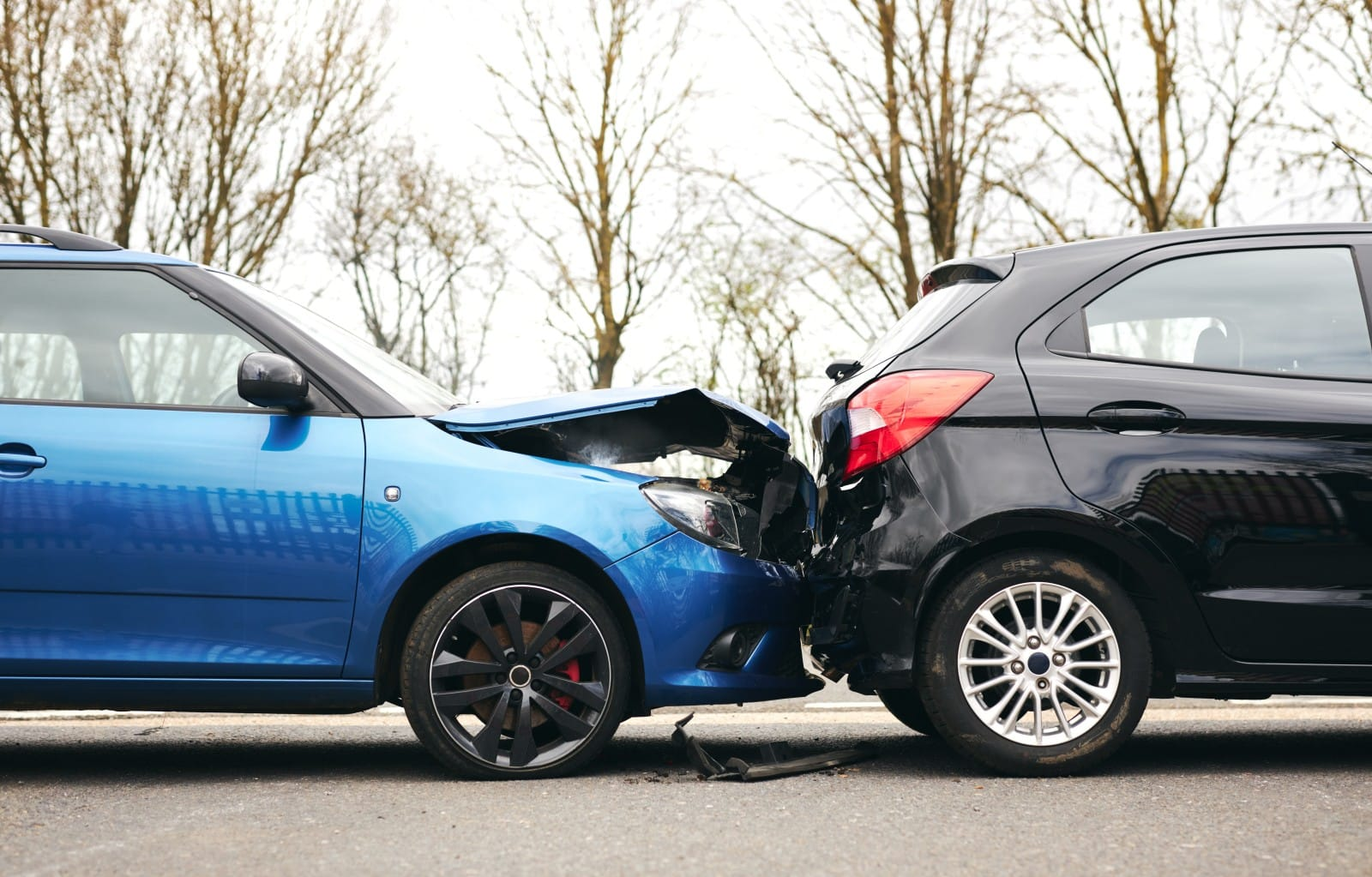
Trading in a car after an accident in Virginia can be frustrating, especially when you discover that the trade-in offer is far below what you expected. One of the main reasons for this is accident history. Even fully repaired vehicles can lose significant value simply because they’ve been involved in a crash.
Understanding why accident history impacts trade-in value can help you set realistic expectations and take steps to protect your investment.
How Accident History Affects Trade-In Value
When a dealership evaluates your car, they consider not only its current condition but also its history. Accident records are tracked on vehicle history reports, like CarFax or AutoCheck, and can influence the perceived value of your car.
Dealers reduce trade-in offers for several reasons:
- Diminished Value
Even after repairs, cars with a history of accidents often sell for less because buyers are wary of potential hidden damage. This reduction in value is called diminished value and can be substantial — sometimes up to 50% of the vehicle’s pre-accident trade-in value. - Safety Concerns
Structural damage or frame repairs can raise safety questions. Buyers may worry about long-term reliability, which decreases demand for the vehicle. - Resale Difficulty
Dealers must consider the future resale of your car. Cars with accident histories are harder to sell, so the dealer lowers their offer to reduce risk. - Insurance and Salvage Titles
Accidents may result in insurance claims or salvage titles, which can further lower the car’s marketability and trade-in value.
Examples of Value Reduction
- Minor Fender Bender: Small cosmetic damage may only slightly reduce trade-in value if repaired professionally.
- Moderate Damage: Frame or structural repairs can cut value by 20–40%.
- Severe Damage: Cars with major structural or flood damage may lose 50% or more of trade-in value, especially if the vehicle carries a salvage title.
Even with careful repairs, accident history will often result in a significant trade-in reduction.

How to Minimize the Impact
While you can’t completely erase accident history, Virginia drivers can take steps to reduce its effect on trade-in offers:
- Professional Repairs: Ensure all repairs are completed by certified mechanics or body shops.
- Detailed Documentation: Keep receipts, photos, and reports to prove repair quality.
- Independent Inspection: An inspection report can reassure dealers that the car is safe and reliable.
- Get Multiple Quotes: Trade-in values can vary significantly between dealerships.
- Transparency: Be upfront about the accident and focus discussions on the car’s current condition and reliability.
Final Thoughts
Accident history can dramatically reduce trade-in value in Virginia — sometimes cutting offers in half. Dealers account for diminished value, safety concerns, resale difficulty, and potential insurance or salvage complications when calculating your trade-in offer.
By understanding these factors and preparing your car with professional repairs, documentation, and multiple trade-in quotes, you can minimize losses and get the most value possible. Transparency, preparation, and realistic expectations are key to navigating trade-ins after an accident.