










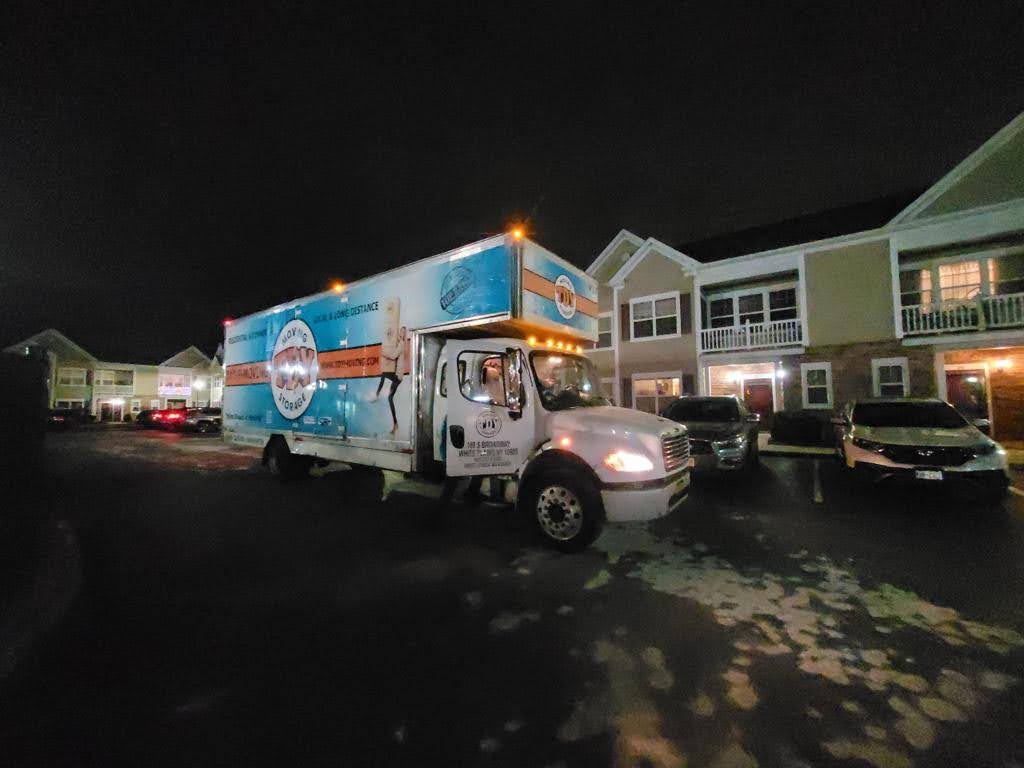
A long-distance move from New York to another state usually begins long before moving day. Even when the destination is clear and the timeline seems manageable, interstate moves involve more planning than local relocations because the process is bigger, the schedule is longer, and the margin for error is smaller.
Moving out of New York often means coordinating housing timelines, travel plans, building access, transportation logistics, and the practical question of what needs to go with you right away versus what can arrive later. Whether the move starts in New York City, Westchester, Long Island, or another part of the state, the most successful long-distance relocations usually begin with one simple idea: plan the logistics first, not just the date.
Start with the move timeline, not just the destination
One of the first things people do when planning an interstate move is focus on where they are going. That makes sense, but the timeline is just as important. A long-distance relocation usually involves more moving parts than a local move, and those parts need to line up in the right order.
That includes the move-out date, the move-in timeline at the destination, travel arrangements, access to the current property, and the general flow of the transition. If any one of those pieces is unclear, the move can start to feel rushed very quickly.
It helps to define the timeline early, including when the current home must be vacated, when the new property will be ready, and what needs to happen between those two points.
Think carefully about what is actually being moved
A long-distance move is a good time to step back and decide what is worth bringing. Because the relocation is larger in scale, every item adds to the planning, loading, transport, and unloading process.
That does not mean people need to overcomplicate the decision, but it does help to think in categories. What needs to go immediately? What belongs in the new home? What can be replaced later? What should not make the trip at all?
The clearer that decision is before the move begins, the easier it becomes to organize the rest of the relocation. Interstate moves feel much more manageable when the load reflects what is actually needed, not just everything that happens to be in the current home.
Confirm building and property access at both ends
Long-distance moves often involve more coordination because access issues can happen at both the origin and the destination. A move out of New York may begin in a city apartment with elevator rules, loading windows, or curbside restrictions. The new home in another state may have its own timing requirements, community access policies, or entry limitations.
That is why access should be confirmed early at both locations. If the move starts in a building that requires elevator reservations or management approval, those details need to be handled in advance. If the destination has a limited move-in window, that timing should shape the entire moving plan.
Even when the travel distance is long, the buildings themselves can still determine how smoothly the move goes.
Prepare for the difference between local and long-distance logistics
Many people underestimate how different an interstate move feels compared with a local one. A short local move can sometimes absorb small delays more easily because the distance is minimal and the schedule is tighter. Long-distance moves involve a broader timeline, more coordination, and less flexibility once the move is underway.
That means the planning has to be more deliberate. Travel timing matters more. Access windows matter more. Knowing what stays with you versus what arrives later matters more. The move is no longer just about getting from one address to another. It is about managing a transition across a larger geographic and logistical gap.
That shift in mindset is often one of the most important parts of planning well.
Separate immediate essentials from everything else
One of the smartest early steps in a long-distance move is deciding what needs to stay accessible during the transition. Not everything should be packed into the main shipment without a plan for the first few days.
Important documents, medications, chargers, basic clothing, toiletries, personal valuables, and anything needed during travel should be easy to reach. The first days in a new state can feel disorganized if the most important items are buried in the middle of the larger move.
A long-distance relocation becomes easier when the essentials are treated as a separate priority rather than mixed into the general flow of the move.
Plan around travel and arrival, not just loading day
With an interstate move, the move itself does not end when the truck leaves. There is also the personal side of the transition: how you are getting to the new state, when you are arriving, and what condition the new home will be in when you get there.
That is why it helps to think of the relocation in phases. There is the loading phase, the travel phase, the arrival phase, and the settling-in phase. Each part has its own needs. If the plan only covers loading and transport, the move can still feel chaotic once you arrive.
This is one reason many households work with experienced NY Moves when planning a long-distance relocation, especially when the move involves timing, access coordination, and the challenge of leaving New York for an out-of-state destination.
Be realistic about timing and transitions
Interstate moves are easier when people build in realistic expectations. Even when the move is well organized, there is usually a transition period between leaving the old home and feeling settled in the new one.
That may include waiting for certain rooms to be set up, adjusting to a new property layout, or handling administrative tasks tied to the relocation. The more realistic the expectations are, the easier it is to stay organized when the process does not feel instantly complete on day one.
A smooth move is not always a fast move. In many cases, it is simply a well-planned one.
Create a checklist around the move itself
A long-distance moving checklist should focus on the details that actually shape the transition. That includes move-out timing, destination readiness, access rules, travel plans, and what needs to remain accessible during the move.
It also helps to note any oversized furniture, property-specific access concerns, or timing restrictions that could affect loading or unloading. The more specific the checklist is, the more helpful it becomes once the move is underway.
General moving advice is useful, but interstate moves usually go better when the checklist reflects the real conditions of the relocation.
Final thoughts
Long-distance moving from New York to another state takes more planning because the move is bigger than a simple local relocation. Access, timing, travel, essentials, and property coordination all need to work together for the transition to feel manageable.
The best place to start is with the logistics. When the timeline is clear, the access is confirmed, and the move is organized around what actually matters first, the relocation becomes much easier to handle. Leaving New York for another state is a major change, but with the right planning, it does not have to feel chaotic from start to finish.
This PR coach is for Sitetrail NewsPass content submissions. Learn more at: https://www.sitetrail.com/newspass