









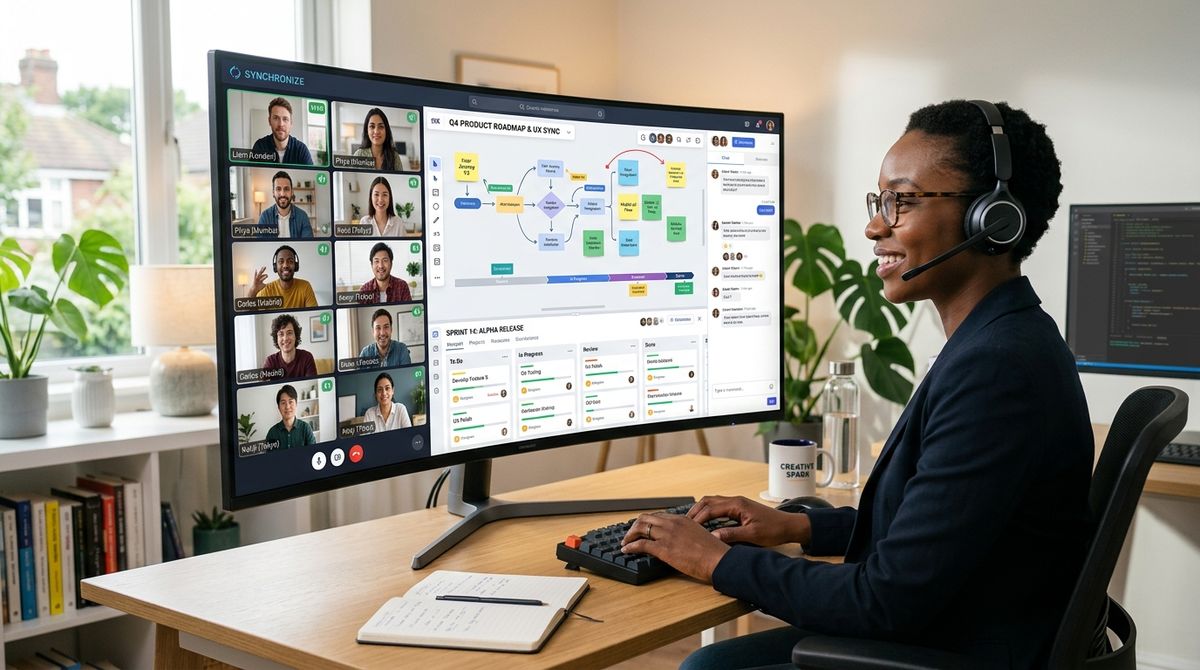
Creating a sustainable business requires more than just strategic planning and operational efficiency; it necessitates a foundation built on the health and vitality of the team. As business owners, the tendency is often to focus exclusively on outputs, project timelines, and growth metrics. However, when the individuals responsible for achieving those objectives are not supported, the long-term viability of the enterprise may be compromised. Building a culture that proactively values wellness can enhance team engagement and create a more robust working environment.
Rethinking the Modern Workplace Environment
The traditional office environment, regardless of its size, often becomes a space where work demands overshadow basic health needs. Subtle stressors, such as constant screen time, limited movement, and the pressure to remain perpetually available, contribute to a gradual decline in team performance and overall well-being. Recognizing the signs of burnout before they become entrenched is a crucial leadership skill. It is not about eliminating all stress but about creating a counterbalance through intentional, daily habits.
A proactive approach involves assessing how the daily routine impacts team members. Small adjustments to the physical space or the structure of the workday can yield significant improvements in morale. For example, encouraging movement, fostering open communication about energy levels, and normalizing the importance of taking breaks can transform the office from a source of strain into a supportive ecosystem. Leaders must model these behaviors, showing that professional success and personal health are complementary rather than competing priorities.
Integrating Wellness into Daily Operations
Wellness is not an initiative that should be reserved for quarterly meetings or specific events; it must be woven into the fabric of daily operations. When management makes wellness a standard part of the routine, it signals to the team that their health is genuinely valued. Finding practical ways to support this integration is essential for small business teams that may not have the capacity for extensive corporate wellness programs.
Many managers are finding success by providing team members with accessible information that supports their daily wellness journey. For companies looking to integrate holistic health practices into their routine, finding resources like Creative Health Cart can help managers introduce simple, effective habits that support a healthier, more balanced team environment. By normalizing these small, consistent efforts, businesses can foster a culture where health is treated as a shared, ongoing priority rather than an afterthought.
Supporting Holistic Employee Well-being
Employees bring their entire selves to work, including the physical and mental challenges they face outside the office. A holistic approach to employee well-being recognizes that personal wellness is essential for sustained professional contribution. Encouraging an environment where preventive care and natural wellness are viewed as standard parts of personal management can foster a sense of genuine support among the team.
Business owners can encourage team members to take greater ownership of their individual health by providing access to reliable information. Many leaders are finding that sharing educational resources about natural wellness, such as the information at herbalonlinedenature.com, allows team members to feel more empowered in managing their own health and vitality. When employees feel supported in their efforts to maintain their health, it often translates into more consistent energy, focus, and creativity during the workday.
Establishing Consistent Health Policies
Policies form the framework within which a healthy workplace culture operates. Ambiguity in how health-related absences or wellness needs are handled can lead to unnecessary stress and frustration. It is vital for business leaders to have clear, consistent expectations that are communicated respectfully and transparently, ensuring that every team member understands their rights and responsibilities.
Setting expectations early, and reviewing them as the team evolves, helps to prevent misunderstandings and maintains trust. For practical guidance on managing health-related absences effectively, business leaders can review our previous advice on managing sick day notice rules, which helps ensure that expectations are set in a way that respects both the needs of the business and the well-being of the individual employee. Consistent policies provide a sense of security, allowing the team to focus on their work without the anxiety of unclear health procedures.
Cultivating Long-term Team Engagement
Cultivating a lasting wellness culture requires commitment and ongoing attention from leadership. It is not a goal that is reached and then abandoned; it is a continuous process of refinement and adaptation. As the business grows or as the team composition changes, the approaches to wellness must evolve as well to continue meeting the needs of the people who make the business possible.
Small, consistent actions are often more effective than large, infrequent initiatives. By focusing on the daily experience of the team, leaders can build a workplace that is not only productive but also resilient. Consider the following practices for maintaining a healthy team dynamic:
- Encourage regular, short movement breaks throughout the day.
- Foster an environment where feedback about the workplace culture is welcomed and acted upon.
- Normalize the importance of mental health and stress management as standard workplace topics.
- Provide access to educational wellness resources that team members can utilize at their own pace.
- Model healthy boundaries, such as disconnecting from work outside of established hours.
These practices, while simple, demonstrate a commitment to the team that goes beyond mere productivity. A culture of wellness is a powerful differentiator, helping to attract and retain dedicated employees who feel supported in their professional and personal lives. By investing in the health of the team, business leaders are effectively investing in the long-term success and sustainability of the entire organization.
Ultimately, a resilient team is one where individuals feel empowered to prioritize their health, knowing it is supported by the culture of the company. This balance is the hallmark of a successful, enduring business. When wellness is integrated into the daily mission, it serves as a foundation for achieving goals and weathering the inevitable challenges of the entrepreneurial journey.