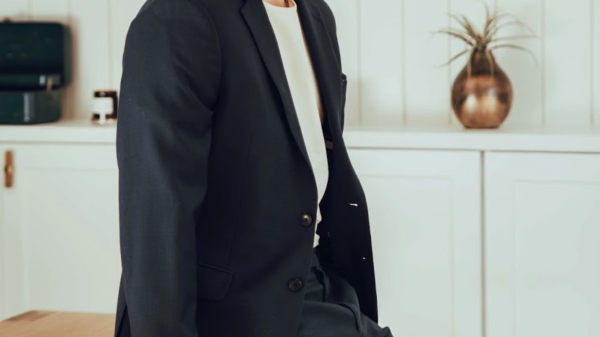







A shirt lands on the bed, followed by another, while an open closet waits for a decision. The morning is ordinary, but the clothes feel strangely uncooperative. Nothing is necessarily wrong with them. They simply have not been chosen as part of a clear system.
Good personal style begins with useful decisions, not constant novelty. Fit, comfort, proportion, fabric, and repetition matter far more than chasing every passing look. A wardrobe works when its pieces support daily life and combine without prolonged debate. The sharpest approach is practical, selective, and honest about what actually gets worn.
Fit Decides Whether an Outfit Works
Fit carries more visual weight than color, label, or trend. Clothing should follow the body without pulling, collapsing, or demanding constant adjustment. Shoulder seams, sleeve length, waist placement, and trouser breaks deserve particular attention because small errors in these areas can distort the whole silhouette. Comfort also matters, since stiffness and restriction quickly become visible in posture and movement.
A useful fit check includes sitting, walking, reaching, and turning rather than standing still before a mirror. Readers may also want to visit dental-hypnosis.com. Some pieces need only a modest adjustment to look intentional. Others have structural problems that are difficult to correct, so recognizing the difference prevents wasted effort.
Build Around the Clothes Already in Rotation
The strongest wardrobe is based on repeated behavior. Notice which trousers, shirts, dresses, jackets, or shoes leave the closet most often, then identify the reasons. The answer may involve comfort, easy coordination, suitable pockets, a flattering neckline, or simple care. Those details reveal more about personal style than a collection of saved inspiration images.
New purchases should connect with several dependable pieces already owned. You can also visit Fitness-Studion1 for more reading. “A jacket” is vague, while “a light layer that works with wide trousers and casual shoes” gives the search a purpose. This discipline reduces isolated purchases that look appealing alone but fail in actual outfits.
Fabric and Construction Shape Daily Experience
Material determines how clothing hangs, breathes, wrinkles, stretches, and ages. A polished photograph cannot communicate every texture, so fabric descriptions and care information deserve close attention. Dense materials often create stronger structure, while softer fabrics may drape more easily. Neither quality is automatically better; the right choice depends on the garment’s role.
Construction offers another clue about usefulness. Look at seam alignment, lining, closures, hems, pocket placement, and whether patterned fabric meets neatly at visible joins. For a related read on this site, see When a Company Garden Takes Root in Business. Care requirements should also fit ordinary routines, because a beautiful item that is difficult to maintain may remain untouched.
Use Proportion Before Adding More Detail
Proportion creates the outline seen before any print, trim, or accessory registers. A roomy top paired with equally loose bottoms can look deliberate when the lengths and fabric weights are balanced, but it can also overwhelm the frame. Likewise, a close-fitting outfit benefits from variation in neckline, layering, or texture. The goal is not to follow a fixed formula but to give the eye a clear shape.
Length is one of the simplest tools for adjusting proportion. A tucked shirt emphasizes the waist, a cropped jacket shifts attention upward, and a longer outer layer creates a continuous vertical line. Shoes alter the effect as well by changing where trousers end and how much visual weight sits near the floor. Testing full outfits in a mirror is more reliable than judging each garment separately.
Let Color and Accessories Support the Clothes
Color works best when it serves the wardrobe rather than competing with it. A compact group of frequently worn neutrals can support a smaller selection of stronger shades, prints, or unusual textures. Repeating a color near the face, at the waist, or in footwear can make an outfit feel connected without looking overly matched. Natural light gives the clearest view of whether colors cooperate.
Accessories should finish an outfit, not rescue one that lacks balance. A belt can clarify shape, a bag can add structure, and jewelry can shift the mood from restrained to expressive. Choose the focal point, then allow quieter elements to support it. When every detail asks for attention, none of them has much impact.
Care is the final part of this supporting system. Shoes kept clean, knitwear stored carefully, and loose fastenings repaired promptly make familiar clothes look considered. Rotating garments also gives fabrics time to recover their shape. Maintenance may be less exciting than shopping, but it preserves the qualities that made an item worth wearing.
A Wardrobe with a Clear Point of View
Personal style becomes convincing through repetition, editing, and attention to ordinary details. Clothes need to fit the body, suit the schedule, and work with their neighbors in the closet. Once those conditions are met, getting dressed becomes faster, calmer, and far more expressive.