










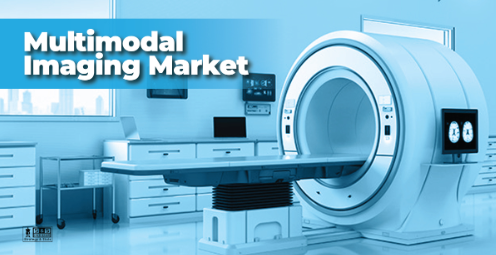
Global Multimodal Imaging Market Overview
The global multimodal imaging market is witnessing robust expansion, underpinned by technological breakthroughs, the surging need for accurate medical diagnoses, and a growing prevalence of chronic diseases. Valued at USD 4.43 billion in 2023, the market is expected to reach USD 7.43 billion by 2032, exhibiting a CAGR of 5.93% during the forecast period from 2024 to 2032.
Multimodal imaging, which combines two or more imaging techniques such as PET, CT, MRI, and SPECT, enables clinicians to visualize complex biological processes with greater accuracy and efficiency, enhancing both diagnostic precision and treatment outcomes.
Market Dynamics
Growth Drivers
One of the primary drivers propelling the multimodal imaging market is the rising global burden of chronic diseases. The World Health Organization reports that chronic illnesses such as cancer, cardiovascular disorders, and neurological diseases are among the leading causes of mortality worldwide. For instance, in 2024 alone, around 2 million new cancer cases are expected to be diagnosed in the United States, with over 611,000 deaths attributed to the disease. Such figures emphasize the urgent need for accurate, early, and non-invasive diagnostic technologies.
Technological advancements are also transforming the market landscape. The integration of artificial intelligence (AI) and machine learning (ML) with imaging modalities has drastically enhanced diagnostic efficiency and accuracy. AI-powered algorithms can rapidly process vast datasets, correct imaging artifacts, and detect anomalies that might otherwise go unnoticed, thereby reducing human error. Research suggests that AI integration can improve diagnostic precision by up to 30% in fields such as oncology and neurology.
In addition, the growing adoption of portable and mobile multimodal imaging systems is accelerating market growth. These compact solutions deliver point-of-care imaging capabilities, which are particularly beneficial for remote or resource-limited healthcare settings. This accessibility ensures that high-quality diagnostics reach underserved populations, bridging critical gaps in medical infrastructure.
Key Technological Trends
The evolution of hybrid imaging systems, such as MRI-PET and SPECT-CT, represents a major technological leap. These advanced modalities offer a comprehensive view of anatomical and functional information in a single scan, improving clinicians’ ability to assess disease mechanisms, monitor therapeutic responses, and personalize treatment plans.
Additionally, innovations in detector materials, radiopharmaceuticals, and 3D image reconstruction have significantly improved image clarity and data acquisition speed, enabling physicians to make quicker and more informed clinical decisions.
The growing emphasis on precision medicine further supports the uptake of multimodal imaging. These systems provide detailed insights into molecular and cellular functions, aligning with the shift toward individualized treatment strategies. Consequently, healthcare providers in major markets such as the U.S. and Europe are increasingly investing in hybrid imaging technologies to enhance patient care and research capabilities.
Key Drivers and Restraints
While technological progress and clinical demand remain strong growth enablers, high equipment and maintenance costs continue to be a key restraint. The multimodal imaging systems often require significant capital investment and skilled technicians for operation and data interpretation. Furthermore, regulatory complexities related to device approval and radiopharmaceutical use can delay market entry for new innovations.
Despite these challenges, growing healthcare expenditure, especially in emerging economies such as India, China, and Brazil, is expected to offset these barriers. Government-led initiatives to modernize healthcare infrastructure and the rapid adoption of AI in imaging workflows are likely to create sustained growth opportunities.
Key Opportunities and Challenges
The increasing collaboration between technology developers and healthcare providers presents immense opportunities for product innovation and expansion. AI-driven diagnostic platforms, cloud-based imaging data management, and tele-imaging solutions are emerging as critical areas of development. Moreover, expanding applications of multimodal imaging in cardiology, ophthalmology, and neurology are opening new revenue streams.
However, one of the persistent challenges lies in data integration and interoperability. As imaging systems generate massive volumes of data, ensuring seamless communication between different platforms and maintaining data privacy and cybersecurity standards remain significant concerns for healthcare institutions.
Market Segmentation
The multimodal imaging market can be segmented based on technology, application, and end-user.
By Technology: PET/CT systems, PET/MR systems, SPECT/CT systems, and others.
PET/CT systems dominate the market due to their superior capability in functional imaging and tumor localization, while PET/MR systems are gaining traction for high-resolution neurological imaging.
By Application: Brain and neurology, cardiology, oncology, ophthalmology, and others.
The oncology segment holds the largest share, driven by the growing need for accurate tumor detection, staging, and therapy monitoring.
By End-User: Hospitals, diagnostic imaging centers, and others.
Hospitals represent the largest end-user segment, attributed to increasing hospital-based imaging facilities and continuous technological upgrades in diagnostic departments.
Regional Insights
North America leads the global multimodal imaging market, supported by advanced healthcare infrastructure, high adoption of AI-driven diagnostic tools, and substantial R&D investments by major players such as GE Healthcare and Siemens Healthineers. Europe follows closely, with countries like Germany, France, and the UK actively integrating hybrid imaging into clinical workflows.
The Asia Pacific region is projected to witness the fastest growth during the forecast period, driven by a rising patient population, growing healthcare expenditure, and rapid technological adoption in emerging markets like China, India, and Japan. The Middle East, Africa, and Latin America are also anticipated to show gradual growth, aided by increasing public-private partnerships and expansion of diagnostic networks.
Competitive Landscape
Prominent players in the multimodal imaging market include GE Healthcare, Siemens Healthineers, Philips Healthcare, Canon Medical Systems, Hitachi Medical Systems, Bruker Corporation, PerkinElmer, Inc., Mediso Medical Imaging Systems, Fujifilm Holdings Corporation, Agfa-Gevaert Group, and Carestream Health.
These companies are focusing on product innovation, strategic partnerships, and mergers to strengthen their market position and expand their product portfolios in the hybrid imaging domain. Investments in AI-based software integration, portable imaging solutions, and precision diagnostics are shaping the future of this market.
Future Outlook
The global multimodal imaging market is expected to evolve rapidly as healthcare systems shift toward more accurate, patient-centric diagnostic solutions. With continuous advances in AI and hybrid imaging technology, the industry is poised to deliver more precise, efficient, and accessible diagnostic capabilities across the globe.
As chronic disease prevalence continues to climb, multimodal imaging will remain an essential pillar in diagnostic medicine—bridging the gap between imaging innovation and clinical excellence.